
What Your Eye Doctor Wants You to Know (But You Might Not Have Heard)
When was your last eye exam?
If you're like many people, your answer might be, "When I got my current glasses."
But your eyes tell a much bigger story than whether you need a stronger prescription. In fact, one of the most common things eye care professionals wish patients understood is that eye exams aren't just about seeing better, they're about protecting your long-term health.
Here are some of the things your eye doctor or optician wishes every patient knew.
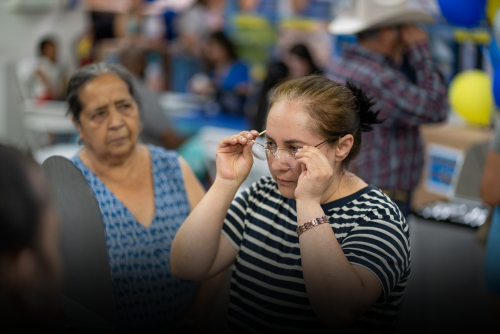
You Don't Need to Have Vision Problems to Need an Eye Exam
One of the biggest misconceptions is that if you can see clearly, your eyes must be healthy.
The truth is, many serious eye diseases develop silently, without pain or noticeable changes in vision. Conditions like glaucoma, diabetic eye disease, macular degeneration, and retinal problems can progress long before you notice any symptoms.
Regular comprehensive eye exams allow your eye doctor to detect these issues early, often before permanent vision loss occurs.
Your Eyes Can Reveal More Than Eye Problems
Your eyes are the only place in the body where blood vessels and nerves can be viewed directly without surgery.
During a comprehensive exam, your eye doctor may notice early signs of:
Diabetes
High blood pressure
High cholesterol
Autoimmune diseases
Certain neurological conditions
Some cancers
Sometimes an eye exam is the first indication that something else in your body needs medical attention.
Digital Screens Really Do Affect Your Eyes
We spend more time looking at screens than ever before.
Hours spent on computers, phones, tablets, and televisions can contribute to:
Dry eyes
Eye strain
Blurred vision
Headaches
Neck and shoulder discomfort
Difficulty focusing
Your eye doctor can recommend strategies, lenses, or treatments that make screen use more comfortable without asking you to give up the technology you rely on every day.
Children's Eyes Need Regular Checkups Too
Children don't always know when their vision isn't normal because they have nothing to compare it to.
Vision problems can affect:
Reading ability
Learning
Confidence
Sports performance
Attention in the classroom
Routine eye exams help ensure children are seeing clearly enough to learn, grow, and thrive.
Your Prescription Changes More Than You Think
Many people wait until their glasses are badly scratched or obviously no longer work before booking an appointment.
Even small prescription changes can reduce eye strain, improve comfort, and sharpen vision for driving, reading, working, and everyday life.
Updating your prescription isn't about vanity, it's about giving your eyes the support they need.
Sunglasses Are More Than a Fashion Accessory
Just like your skin, your eyes can be damaged by ultraviolet (UV) radiation.
Quality sunglasses with 100% UVA and UVB protection help reduce your risk of:
Cataracts
Certain retinal damage
Photokeratitis ("sunburn" of the eye)
Long-term UV-related eye disease
Protecting your eyes from the sun is a habit worth developing year-round, not just during summer.
Contact Lenses Need Proper Care
Contact lenses are medical devices—not cosmetic accessories.
Sleeping in lenses that aren't designed for overnight wear, topping off old solution, or extending replacement schedules can significantly increase the risk of eye infections, irritation, and even permanent damage to your vision.
Following your eye doctor's recommendations helps keep your eyes healthy and comfortable.
Eye Health Changes With Age
As we get older, our eyes naturally change.
You may notice:
Difficulty reading small print
Increased sensitivity to glare
Dry eyes
Reduced night vision
Longer adjustment between light and dark environments
Regular eye exams become even more important as you age, helping detect age-related conditions before they impact your quality of life.
Your Lifestyle Matters
Your eyes are affected by much more than genetics.
Nutrition, exercise, smoking, sleep, stress, medications, and chronic health conditions all play a role in maintaining healthy vision.
A balanced diet rich in leafy greens, colorful fruits and vegetables, omega-3 fatty acids, and adequate hydration can support lifelong eye health.
Your Glasses Should Fit Your Life
An optician does far more than help you choose attractive frames.
They'll help match your eyewear to your daily routine, whether that's:
Working on computers
Driving at night
Playing sports
Reading
Spending time outdoors
Managing progressive lenses
The right lenses, coatings, and frame fit can make a remarkable difference in comfort, durability, and overall visual performance.
Your vision is one of your most valuable senses, yet it's easy to take for granted until something changes.
Routine eye exams are one of the simplest ways to protect not only your eyesight but also your overall health. Whether you wear glasses, contact lenses, or have perfect vision, maintaining regular visits with your eye care professional allows problems to be detected early, treatments to begin sooner, and your vision to stay at its best for years to come.
Your eye doctor and optician aren't just there to help you see more clearly, they're partners in helping you see life at its very best.