
Your Eyesight - The Hidden Impact of the Weekend
Weekends are a time to chill. A break from structure. A chance to switch off, unwind, and do more of what you enjoy. But while your schedule might relax, your eyes don’t get the same luxury. In fact, the weekend is often when your eye health takes the biggest hit.
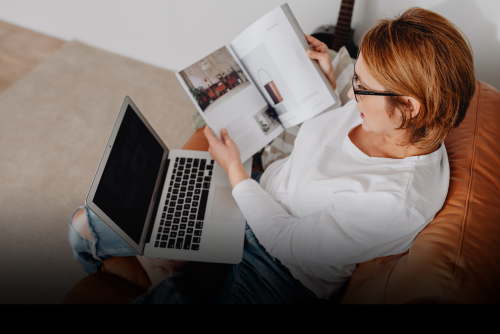
By the time Monday rolls around, many people notice the symptoms: dry, irritated eyes, blurry vision, headaches, or that heavy, fatigued feeling that no amount of coffee seems to fix. It’s easy to brush it off as “just being tired,” but in reality, it’s often the result of a few small shifts in habit that stack up over the course of two days.
The biggest culprit? Screen time.
During the week, your screen use is usually structured with work emails, scheduled breaks, a clearer start and stop time. On the weekend, those boundaries blur. And so does your eyesight.
One episode turns into three. A quick scroll becomes an hour. Add in gaming, FaceTime, or even catching up with friends on messages, and suddenly your eyes are locked into near-focus for most of the day.
What many people don’t realize is how this affects the way your eyes function. When you’re focused on a screen, your blink rate drops significantly. Blinking is essential; it spreads moisture across the surface of your eye and keeps it comfortable. When that slows down, dryness creeps in. That gritty, slightly burning sensation? That’s your eyes asking for a break.
Then there’s sleep, or lack of it.
Weekends often come with later nights and slower mornings. While that might feel like balance, it can actually disrupt your body more than it helps. Your eyes rely on consistent, quality sleep to recover from daily strain. When that rhythm is thrown off, the effects show up quickly. You might notice increased sensitivity to light, difficulty focusing, or even small muscle twitches around the eye.
It’s not just about how long you sleep, either. Irregular sleep patterns can interfere with the natural restoration process your eyes depend on. So even if you’re “sleeping in,” your eyes may not be getting what they need.
Contact lens habits also tend to slip on the weekend. It’s easy to justify cutting corners, falling asleep in lenses after a long day, wearing them longer than recommended, or skipping proper cleaning because you’re in a rush to get out the door. These small decisions can lead to irritation, redness, and in some cases, more serious complications.
The tricky part is that these habits don’t always cause immediate problems. Instead, they build. A little dryness here, a bit of strain there, until your eyes are working harder than they should be just to keep up.
Hydration plays a role, too. And it’s often overlooked. Weekends can mean more coffee, more social drinks, and less consistent water intake. Your eyes are incredibly sensitive to hydration levels. When your body is even slightly dehydrated, tear production can decrease, leading to that familiar dry, uncomfortable feeling.
And then there’s time outdoors which is great for you, but only if you’re protecting your eyes properly.
Increased sun exposure without adequate protection can contribute to long-term damage. UV rays don’t take weekends off, and over time, that exposure adds up. Quality sunglasses aren’t just an accessory they’re essential for maintaining eye health, especially when you’re spending more time outside.
The good news is that protecting your eye health doesn’t mean sacrificing your weekends. It’s not about strict rules or rigid routines, it’s about awareness.
Taking a few seconds to look away from your screen. Making a conscious effort to blink. Drinking an extra glass of water. Swapping out your contact lenses when you should. Throwing on sunglasses before heading outside. These aren’t big changes, but they make a noticeable difference.
Because eye health isn’t built on occasional effort—it’s built on consistency. And when that consistency slips, even for a couple of days, your eyes will let you know.
So enjoy your weekends. Slow down, switch off, and make the most of your time. Just remember to take care of your eyes even when your routine takes a break.