
The Impact of Digital Screens on Children’s Eyes — What Parents Need to Know
From virtual classrooms to weekend gaming sessions, digital screens are a major part of childhood today. Technology enriches learning and play …
But it also places new demands on developing eyes. At Zyloware, we believe parents deserve clear, evidence-based insight into how screens affect children’s vision and what to do about it.
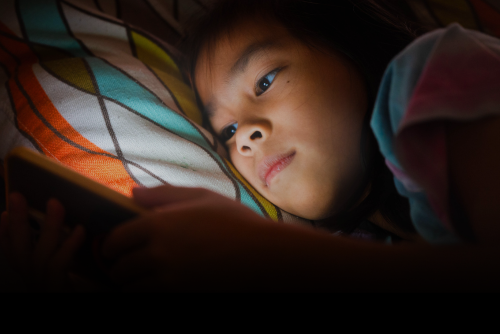
How Much Screen Time Are Kids Actually Getting?
In 2025, screen use among children in the United States is higher than ever:
Children aged 8 and younger average about 2 hours and 27 minutes of daily screen time, and older kids spend even more.
By age 8, nearly 1 in 4 children has their own cellphone, and almost half of those under 8 have a tablet.
Parents are responding to real pressures — 49% report relying on screens daily to help manage childcare and routines.
These numbers reflect how ingrained screens have become in everyday life, but also why eye health professionals are paying attention, as this increased use is having a tremendous effect on young people’s eyesight.
Digital Eye Strain: A Growing Concern
With increasing hours in front of screens, many children experience symptoms of digital eye strain, including:
Eye fatigue
Dry, irritated eyes
Blurry vision
Headaches
Clinical reports show that children using digital devices for three or more hours a day have a higher incidence of headaches and eye discomfort, with symptoms becoming more prevalent after four or more hours daily.
Myopia (Nearsightedness) on the Rise
One of the most significant long-term vision concerns linked to screens is myopia, or nearsightedness:
Around 42% of U.S. children develop myopia by age 18, a dramatic increase compared with past generations.
Research shows that each additional hour of daily screen time beyond one hour is associated with a 21% increase in the odds of developing myopia in children.
Myopia isn’t just an inconvenience. Higher degrees of nearsightedness can increase the risk of eye health issues later in life.
Understanding the Risk Factors
Why does more screen time correlate with vision changes? Several factors contribute:
Near focusing: Constantly looking at close objects can strain the visual system.
Less outdoor time: Time spent outdoors, especially in daylight, is protective against myopia onset.
Less frequent blinking: Screen use often reduces blink rate, contributing to dryness and irritation.
It’s not just about how much kids use screens — it’s how they use them.
Protective Habits for Healthy Eyes
Here are practical steps families can take:
Follow the 20-20-20 Rule
Every 20 minutes, have your child look at something 20 feet away for at least 20 seconds.
Keep Screens at a Healthy Distance
Screens should be about arm’s length away and positioned slightly below eye level.
Encourage Outdoor Play
Outdoor time provides natural light that supports healthy eye development and may help reduce myopia risk.
Schedule Regular Eye Exams
Only about 30% of children receive annual eye exams, yet routine screening helps catch issues early.
Advanced options, including blue-light filtering coatings and precision optics, are designed to reduce visual strain and deliver clear, comfortable vision for kids who spend time on screens. This is something you should discuss with your eye doctor during your child’s regular eye examinations.
Digital devices are essential in modern life, but mindful habits and smart eyewear can make all the difference. With trusted information, proactive care, and the right optical solutions, parents can feel confident helping their children navigate the digital world without compromising eye health.